
Other
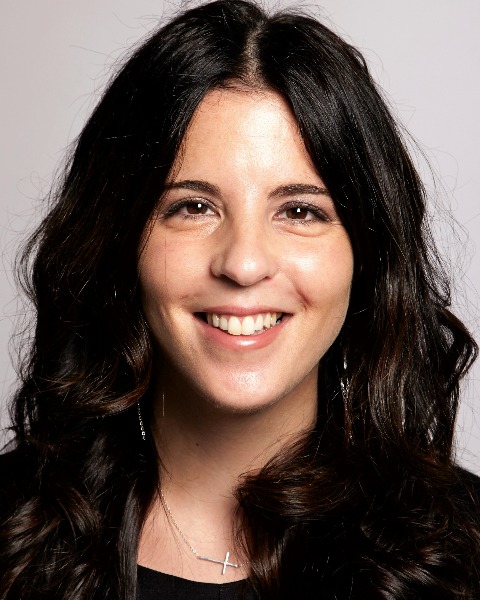
Donna D. Catamero, ANP-BC
Nurse Practitioner
Mount Sinai Hospital
Jersey City, New Jersey
Four workshops were conducted between October and November 2024 in the suburban New York City area, which included Brooklyn, Queens, Harlem, and Newark, NJ. A total of 38 oncology providers (24 medical oncologists, 11 nurse practitioners, 3 physician assistants) participated. Structured polling and moderated discussions captured data on MM management, treatment selection, access to novel therapies, and clinical trial participation. Data were analyzed descriptively, and key themes were identified through qualitative feedback.
Results:
Participants expressed high comfort with daratumumab-based triplet and quadruplet regimens in newly diagnosed MM (NDMM), though concerns about frailty influenced therapy selection. Treatment sequencing in relapsed/refractory MM (RRMM) remained a major challenge, with variability in access to CAR T-cell therapies and BsAbs—88% of university-based versus 16% of community-based participants reported direct access to CAR T, and 94% of university-based versus 37% of community-based participants reported direct access to BsAbs. Referral rates were low ( < 25% of patients), largely due to patient-related barriers (transportation, social support, cost). Despite a strong willingness to enroll patients in clinical trials, community centers faced staffing limitations, trial access restrictions, and logistical burdens. Coordination between academic and community centers was often suboptimal, with inconsistent handoff practices post-referral.
Conclusions: The analyzed data highlights the persistent disparities in MM care delivery between practice settings. Strategies are needed to enhance access to advanced therapies, improve academic-community collaboration, and reduce patient and system-level barriers to clinical trial enrollment and referral, thereby optimizing outcomes.