
Imaging, QoL and Patient-Reported Outcome and Supportive Care
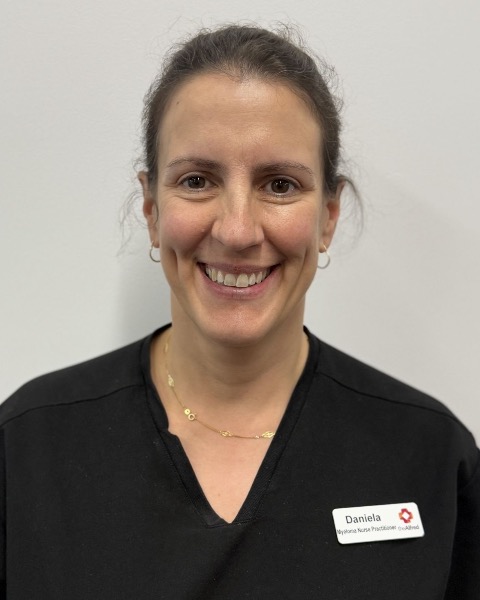
Daniela Klarica, NP
Mutliple Myeloma Nurse Practitioner
Alfred Health
Melbourne, Victoria, Australia
Our specialist haematology nursing team developed a collaborative supportive care program in 2016. The philosophy of the program is early engagement of patients in health promotion, autonomy for their health care needs and focused and systematic assessment of physical and psychosocial complications. We describe three examples of our multiple myeloma (MM) nurse practitioner (NP) supportive care program for individuals with a diagnosis of a plasma cell dyscrasia. These include two supportive care clinics (SCC), a monoclonal gammopathy of undetermined significance (MGUS) and post autologous stem cell transplantation (ASCT) and the MM therapy at home program. This groundbreaking program commenced in 2020 enabling eligible individuals with a diagnosis of MM who live within 30km from our centre to receive bortezomib or daratumumab at home.
Methods:
Individuals with MGUS are seen in the plasma cell disorder SCC at 6 or 12 month time points. Individuals are seen in the post-ASCT SCC from discharge until 3 months. Demographic, disease and supportive care needs of individuals are collected at each clinic attendance. Details on hospital readmissions in the first 12 months post ASCT was also collected as well as number of MM treatments delivered in the cancer at home program since its commencement in 2020.
Results:
Between June 2016 and May 2025 there were 634 MGUS patient encounters in the MGUS SCC, patients were predominantly male (64.35%) with a median age of 65.5 years. Disease understanding was the most common unmet need in this cohort (75%). Between March 2023 and May 2025, 79 MM patients were seen in the post ASCT SCC. Patients were predominantly male (64.56%). More than 20% were from regional centres. There were 20 (25.32%) readmissions in the first 12 months post-ASCT due to varying infection complications and 6 (7.59%) non-infectious readmissions. The most common symptom post-ASCT was fatigue 61 (77.22%) patients followed by gastrointestinal disturbance 42 (53.16%) patients. From 2020 a total of 661 MM cancer at home treatments were delivered.
Conclusions:
These examples of our supportive care program in the plasma cell dyscrasia disease group demonstrate the power of collaborative nurse led programs. In the MGUS group an education gap has led to the development of a consumer endorsed education resource. Following MM ASCT the work to identify all readmissions and their causes will support the development of a re-admission prevention protocol. The leadership of the MM NP to identify opportunities for care at home has led to a reduction in ambulatory treatment booking requirements as well as reducing patient travel burden.