
Plasma Cell precursor and Other Disorders
Category: Plasma Cell precursor and Other Disorders
Real World Outcomes in Cardiac AL Amyloidosis: A Decade of Experience at a Multidisciplinary Amyloidosis Center
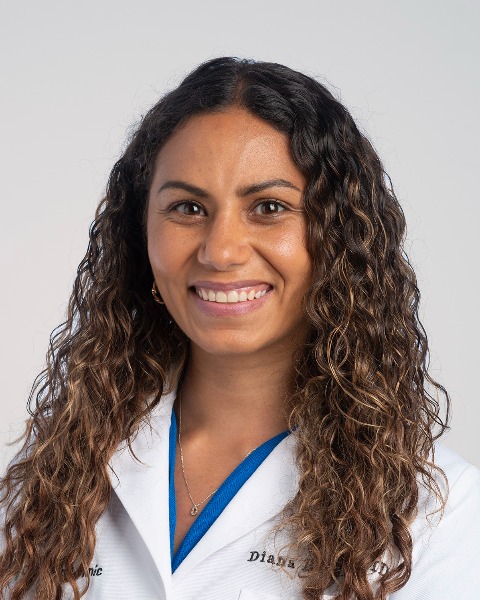
Diana Basali, MD
Hematology- Oncology Staff
Cleveland Clinic Foundation/ Taussig Cancer Institute
Light Chain (AL) amyloidosis results from the deposition of abnormally folded monoclonal light chains in organs, with cardiac involvement being a major prognostic factor. Our institution has a multidisciplinary Amyloidosis Center combining hematology and cardiology expertise to manage complex cardiac AL amyloidosis. Recent advances in systemic therapy, including proteasome inhibitors, CD38 monoclonal antibodies, and investigational anti-fibril agents, along with specialized cardiac interventions such as advanced heart failure therapies and cardiac transplantation, are being incorporated into the care of patients with cardiac amyloidosis. We aimed to evaluate real-world outcomes in cardiac AL amyloidosis patients at our multidisciplinary Amyloidosis Center over a 10-year period.
Methods:
Our Institution’s electronic medical record was queried to identify patients with biopsy-proven AL amyloidosis and cardiac involvement from January 2012 until January 2022. All patients over the age of 18 who followed up at our institution after their initial diagnosis were included. A total of 416 patients met inclusion criteria and were evaluated. Clinical data was reviewed by authors D.B. and A.M. and conflicts were resolved by consensus. The primary endpoint was overall survival (OS).
Results:
Among 416 patients, the median age at diagnosis was 68 (range 31–92), 265 (63.7%) were male, 151 (36.3%) were female, 327 (78.61%) were Caucasian, 78 (18.75%) were African American, and 11 (2.64%) identified as Other race. At diagnosis, 100% had cardiac involvement and 22% had renal involvement. Most patients had advanced-stage disease, with 82.93% of patients having a Revised Mayo stage of 3 or 4. First-line therapies included CyBorD (51.9%), daratumumab-CyBorD (14.7%), bortezomib-dexamethasone (16.8%), clinical trials (5.4%), and others (10.7%). Autologous stem cell transplantation was performed in 10.8% as part of first-line therapy following induction.
At five years, OS was 53.6% (95% CI, 26.5–100) for stage I, 73.3% (61.1–87.9) for stage II, 45.5% (36.5–56.7) for stage III, and 32.8% (27.0–39.9) for stage IV. At ten years, OS was 53.6% (26.5–100) in stage I, 47.1% (30.4–73.2) in stage II, 23.9% (13.5–42.3) in stage III, and 22.1% (15.3–31.9) in stage IV. Among patients who survived to 5 years, the probability of reaching 10 years was 100% for stage I, 64% for stage II, and 53% for stage III. Around 67% of stage IV patients who survived to year 5 were alive at year 10.
Conclusions:
Our data underscore the importance of multidisciplinary management in improving survival outcomes for patients with cardiac AL amyloidosis. As demonstrated at our institution, long-term survival is increasingly achievable with integrated hematologic and cardiac care, novel therapeutics, and access to clinical trials—even in those with advanced-stage disease. These findings emphasize the need for timely diagnosis, referral to specialized centers, and unique individualized strategies to optimize outcomes.